THE INVISIBLE GUARDIAN
Read More
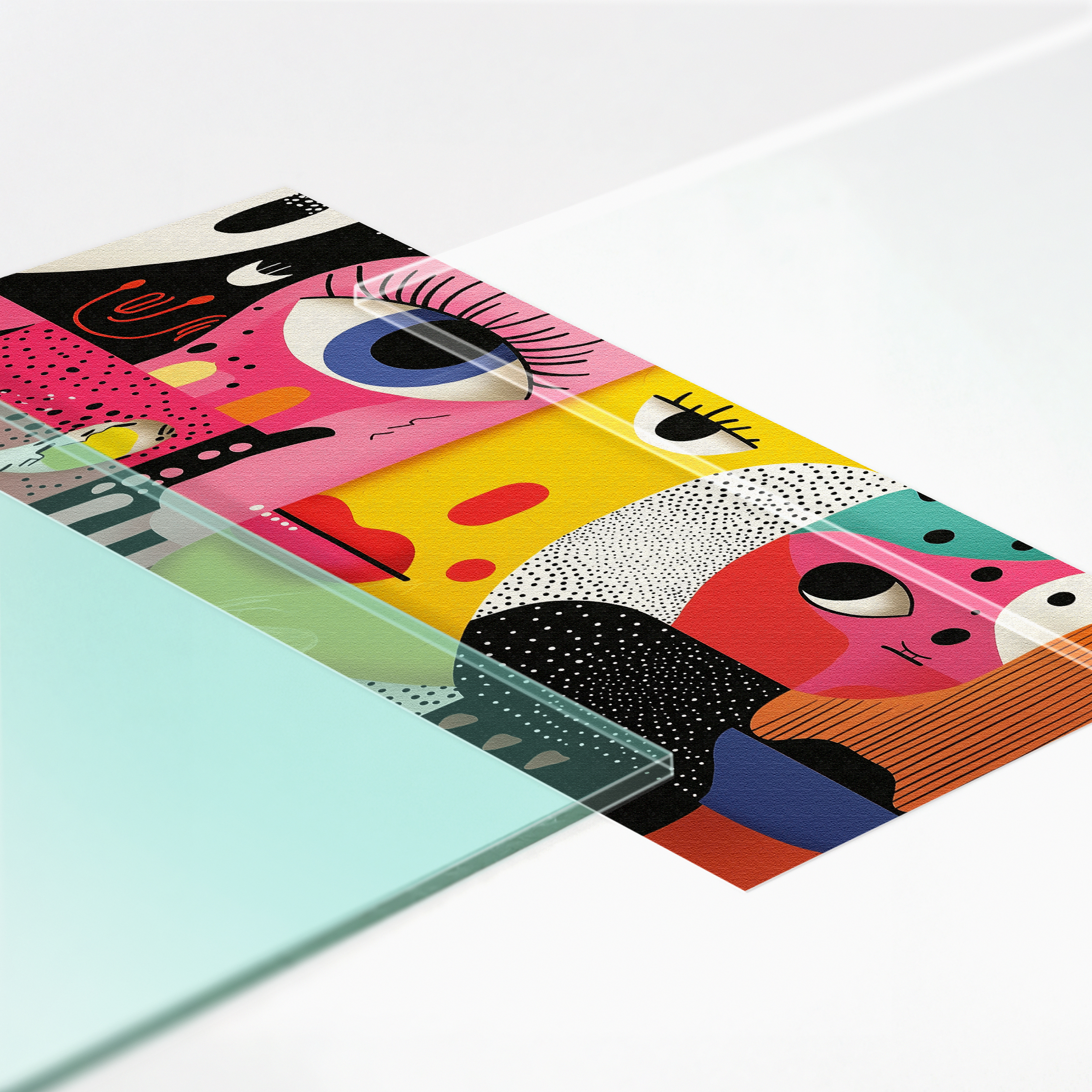
In many industries, the most important part of a product is the part no one sees.
In architecture → it is the foundation.
In photography → it is the sensor inside the camera.
In watchmaking → it is the movement behind the dial.
The visible elements often receive the most attention, but the real performance of any product begins with what lies underneath. The same principle applies to museum glass.
When people discuss framing glass, the conversation usually focuses on coatings — anti-reflective layers, UV protection, or surface treatments. These technologies are essential. They define how the glass behaves in light and how well it protects the artwork.
But coatings are only half of the story. Everything starts with the substrate.
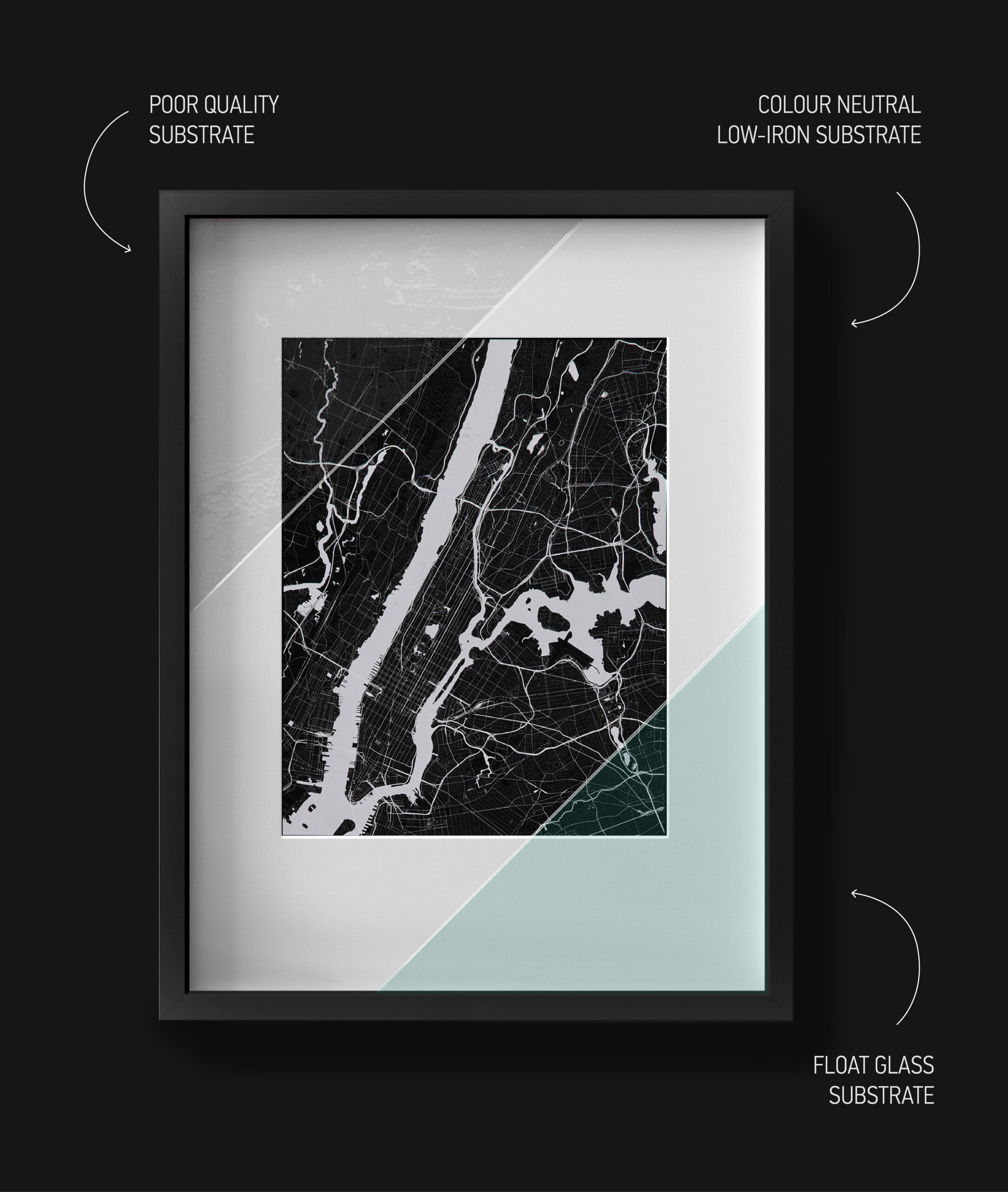
A coating can only perform as well as the surface it is applied to.
If the substrate introduces color shift, optical inconsistency, or impurities, the coating cannot fully correct those issues. The final result depends on the foundation.
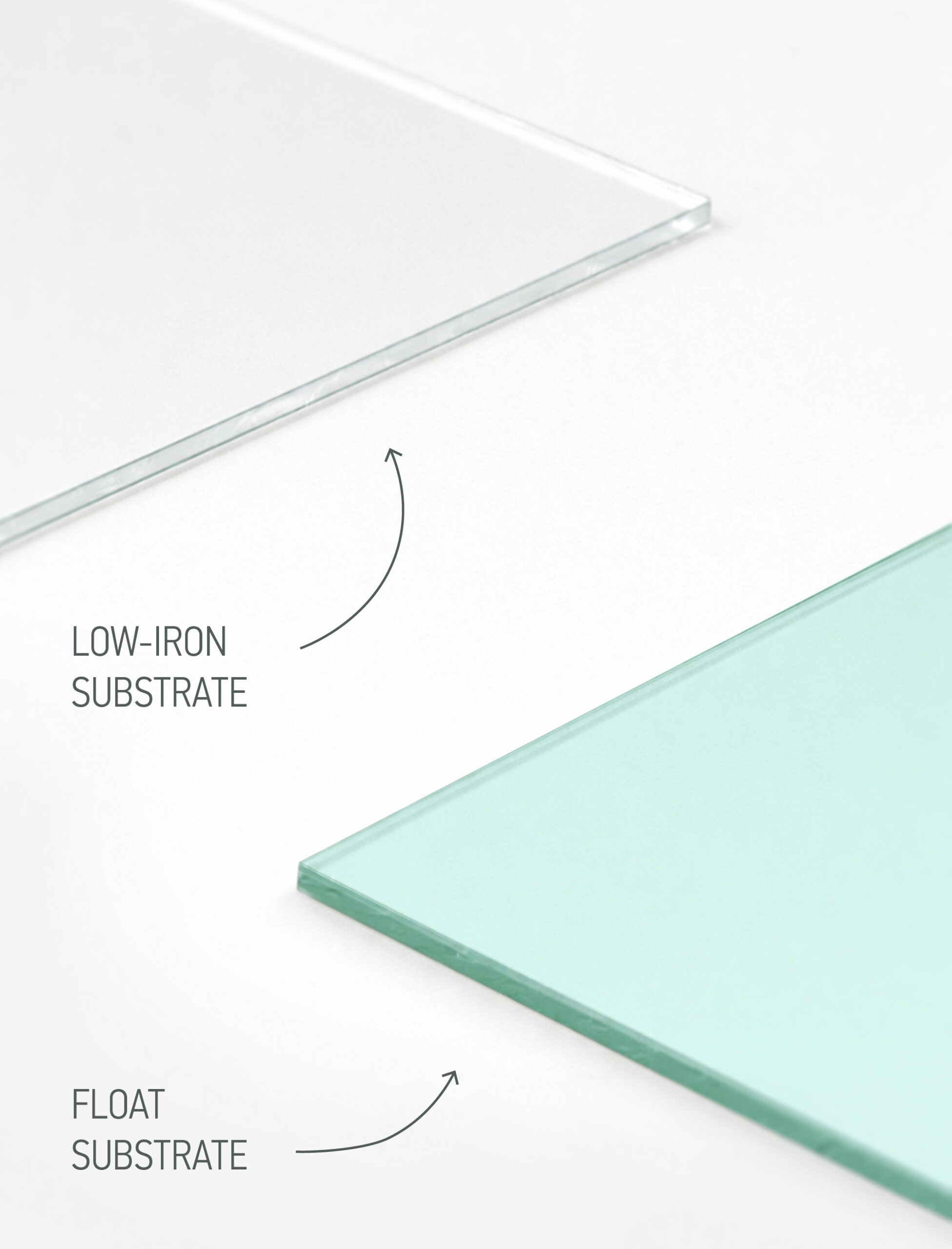
Standard float glass contains iron as part of its composition. This iron gives the glass a subtle green tint and affects the neutrality of the material. In many applications — windows, furniture, construction — this is perfectly acceptable.
But when glass is used to present artwork, neutrality becomes critical. Even small material differences can influence how the final product performs.
Low-iron glass is engineered to remove the compromise found in standard float glass.
By significantly reducing the iron content, the glass becomes far more neutral. The green tint disappears, allowing the substrate to provide a clearer and more stable base for optical coatings. This matters more than it might seem.
Anti-reflective coatings are designed to reduce glare and improve light transmission, but their performance depends on the quality of the material beneath them. When applied to a purer, low-iron surface, these coatings can perform at their full potential.
The result is glass that preserves color accuracy, maintains detail, and presents artwork with far greater consistency. High-quality solutions such as Artglass AR 70 combine advanced nano-coatings with a premium low-iron substrate to achieve extremely high light transmission and minimal reflection.
But the importance of the substrate goes beyond technical performance. It also shapes perception.
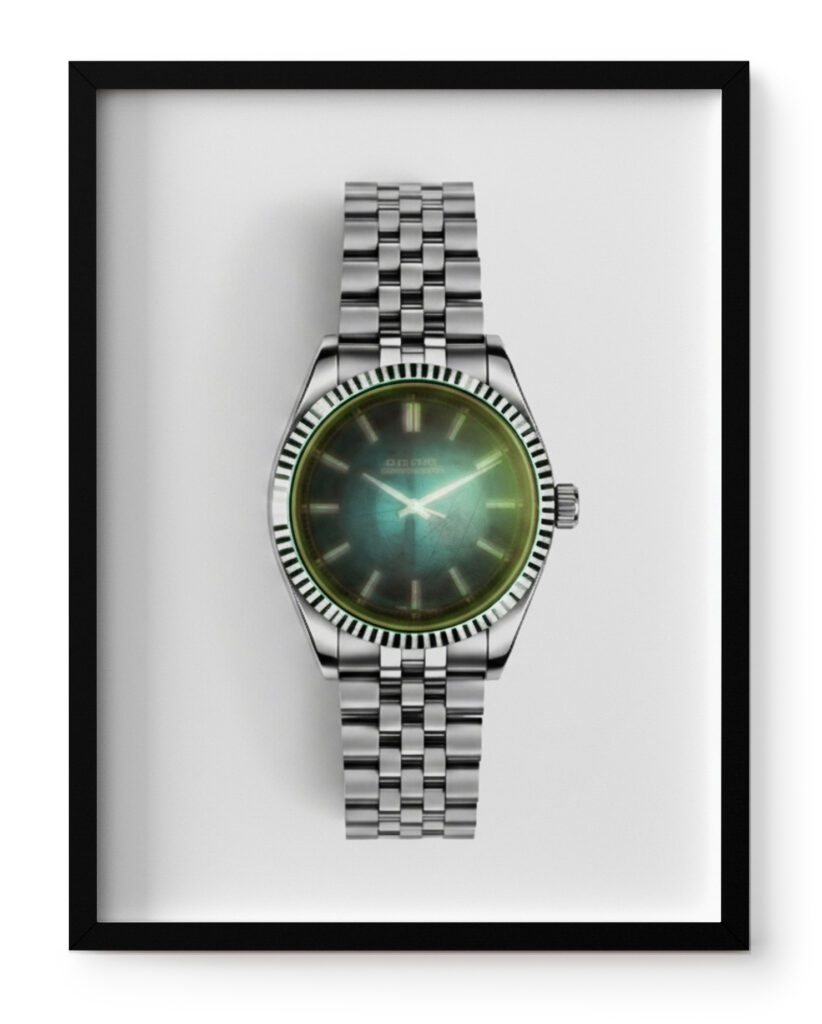
Imagine a premium watch displayed with low-grade glass.
The watch itself remains unchanged. The craftsmanship, the precision movement, the carefully designed dial — all of it is still there. Yet something feels different.
The clarity is not quite right. The colors appear slightly altered. The overall impression loses a bit of its sharpness and refinement. The product is the same, but the presentation is not.
If low-grade glass can diminish the impression of a premium watch, imagine what it can do to a carefully framed artwork. In framing, the glass is not just protection. It is part of the presentation.
And the material it is made from matters.
Glass thickness is sometimes associated with strength. While 2.5 mm glass can be slightly more rigid, performance in framing is about balance, not mass.
A 2 mm glass is around 20% lighter, reducing stress on frame joints and hanging systems — especially in large formats. This improves long-term stability and lowers installation risk.
It is also the standard across Europe, widely used in professional framing with proven reliability. From an optical perspective, a thinner glass introduces marginally less material for light to pass through, supporting maximum neutrality.
In framing, the better choice is not the thicker one — but the more appropriate one.
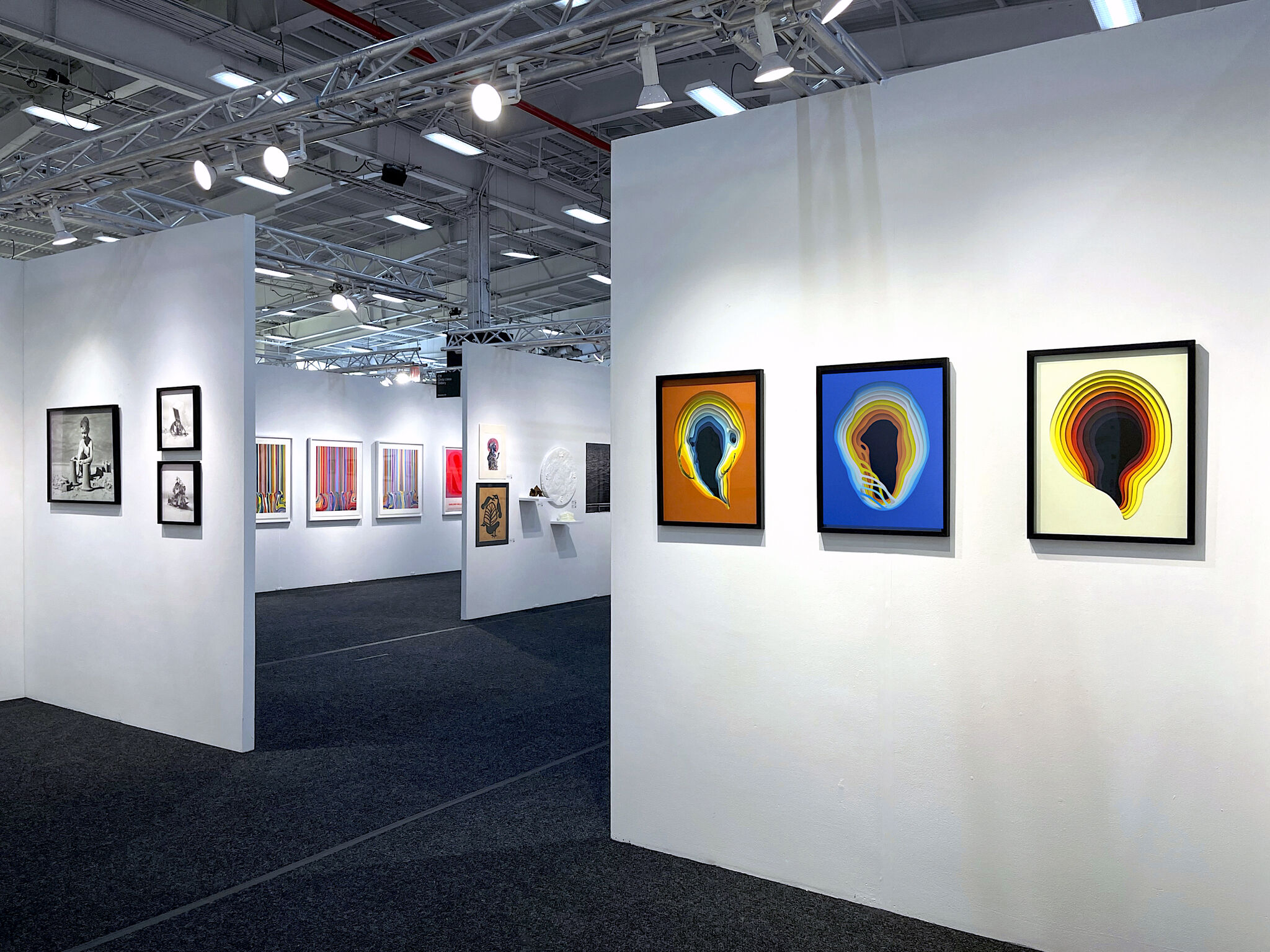
In framing, every material carries a message about quality. Collectors, galleries, and museums carefully control every detail — from frames and mount boards to lighting.
The glass should meet the same standard. What may seem like a small choice — the substrate — directly affects the final result and the framer’s reputation. Even subtle color shifts or visual compromises can undermine otherwise excellent work.
In a craft built on precision and trust, presentation matters.
That is why premium museum glass begins with a low-iron substrate — supporting both the artwork and the professional behind it.

There’s more than meets the eye - a hidden world of reflections, unseen threats, and choices that shape how we experience art and how long it lasts. Are you ready to uncover the truth? Keep reading – because once you do, you’ll never look at art the same way again.
Read More
Framing is one of the most important aspects of hanging art in your home. Proper framing requires having a good understanding of how to choose frames and what to expect from the framing process.
Read More
Custom framing glass has to protect, without obstructing the view of the artwork. Explore the history of glass in picture framing and the learn about the advancements in glass clarity and protection. Learn about how the clearest museum-grade glass so far – Artglass AR 99 Water White came to be.
Read More
The Artglass guide to choosing the best glass or acrylic for your custom framing job. Learn the many features of glass and the questions that you need to ask yourself before choosing the glazing for your frame.
Read MoreIf you want to find out more about our products, applications or just reach out - feel free contact us! Our team is ready to answer your questions.
Contact us