COLORING AUTUMN
Read More

Invisible guarding at its finest — that is what a showcase display truly is, quietly protecting what matters inside. We step closer, we look inside, and we expect the experience to feel effortless. But behind that simple moment stands a structure with a very complicated task: protecting the object without becoming the object.
A showcase may look like a single surface, yet the choice of its glazing determines safety, clarity, and even the longevity of the piece it guards.
So, what lies behind the material that forms a showcase?
Three guardians, three different stories.
Showcases may look simple, but the material they are made from determines how safely an artwork is protected and how reliable the display will be in real-world conditions. Each material behaves differently — and for museums or high-value collections, the differences matter.
Regular glass is not designed for impact, public interaction, or security, and it quickly shows its limitations when used in display cases.
When pressure is applied, someone bumps into the vitrine, leans on it, or the structure is accidentally pushed — regular glass can:
Additional drawbacks:
Regular glass does not protect the artwork, does not offer optical quality, and does not meet the requirements of professional display environme
Artglass Lifetime Acrylic solves challenges that regular glass simply cannot.
For oversized vitrines, curved designs, or situations where weight must be minimized, acrylic becomes the practical and safe solution.
Artglass Lifetime Acrylic offers museum-level performance:
Acrylic is often chosen for monumental displays where structural stability, safety, and size requirements make traditional glass unsuitable.

The professional standard for safety and clarity
Laminated glass is engineered for environments where failure is not an option. It consists of two layers of glass bonded with a PVB safety interlayer — meaning that even if the surface cracks, the panel remains in one piece.

Artglass AR 99 Protect elevates this technology to museum standards:
Laminated glass combines high protection with excellent viewing quality, making it ideal for showcases containing valuable, fragile, or irreplaceable objects.

Every showcase is different.
Some are narrow and minimal, others tower over visitors in museum halls. Some protect a single delicate object, others hold entire narratives. But no matter the size or design, the glazing must fit perfectly — both visually and structurally.
That’s why we provide cut-to-size laminated glass, tailored exactly to the specifications of each display.
With this service, institutions and fabricators can:

…and while every showcase we work with has its own story, here are a few examples where thoughtful engineering, the right materials, and precise craftsmanship come together to create truly remarkable displays.

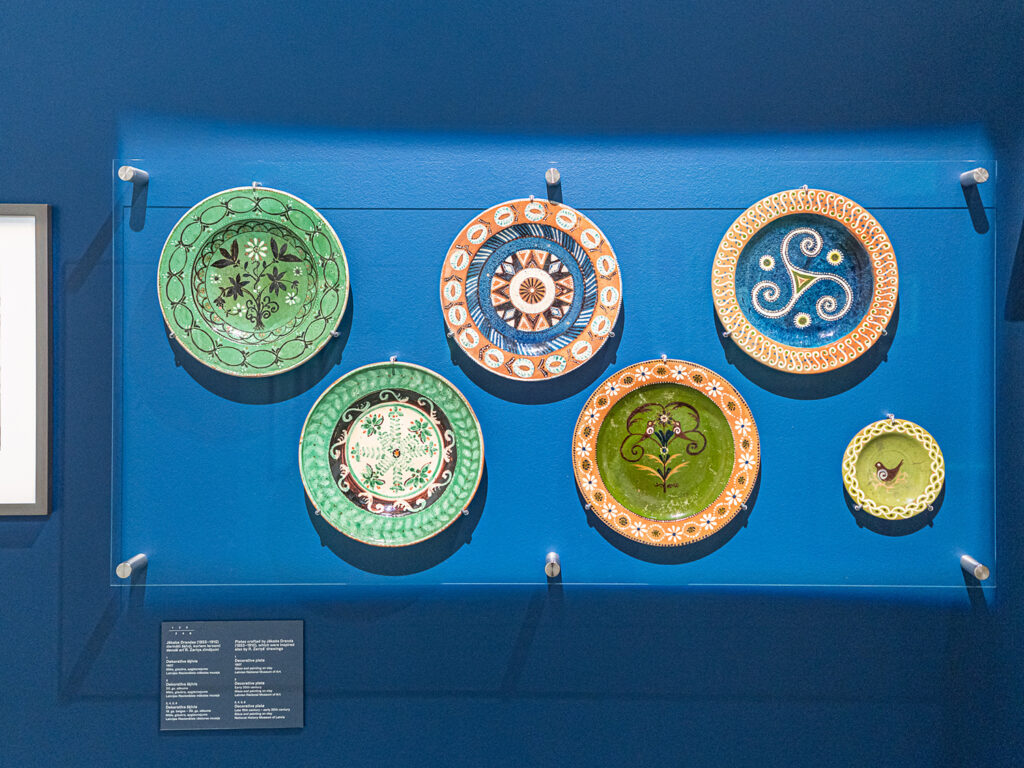
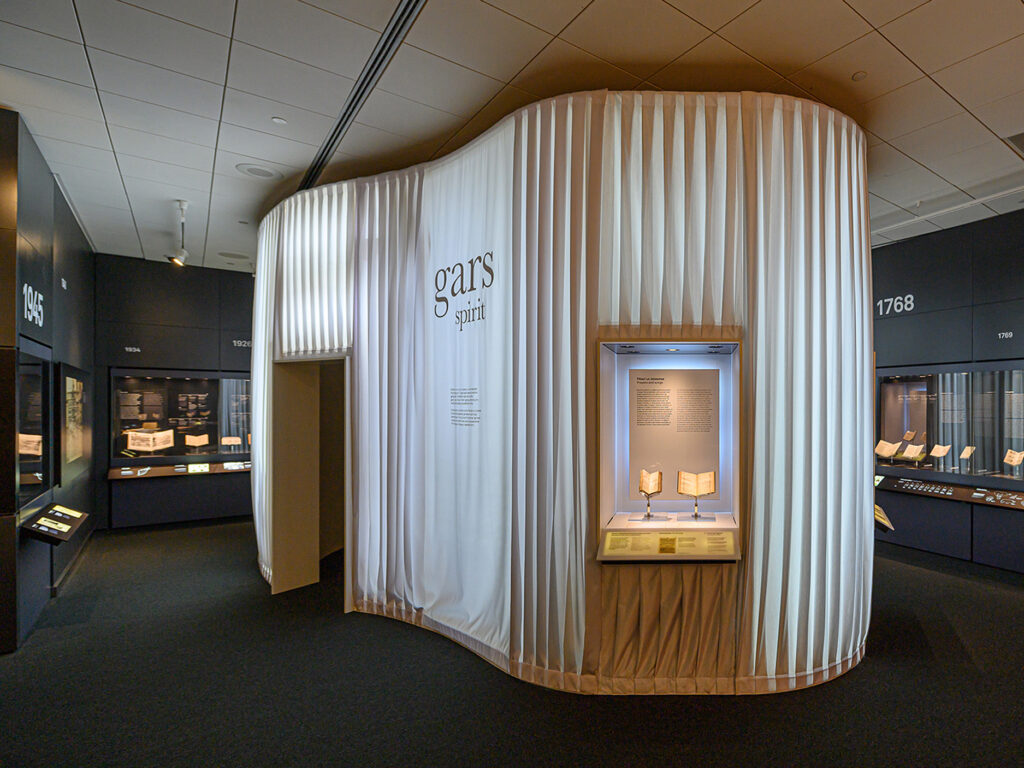

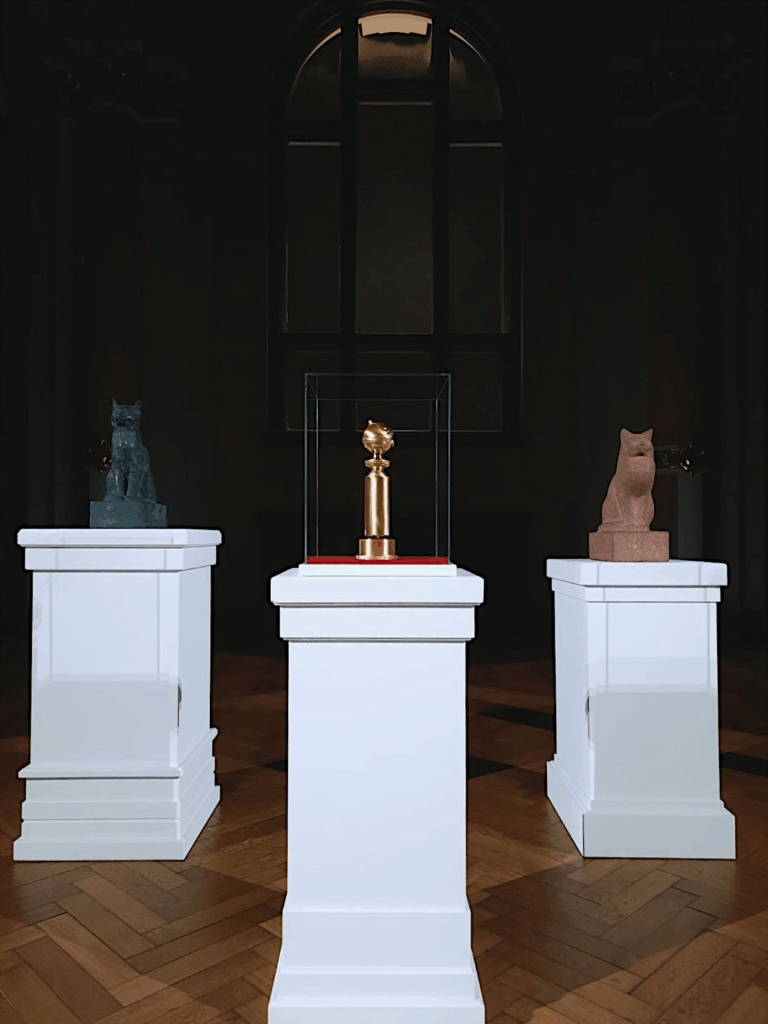




These examples show how the right materials, engineering, and craftsmanship quietly determine the true quality of a showcase. In the end, it is the invisible guardian — the carefully designed glazing — that ensures every artwork remains safe, clear, and beautifully preserved.

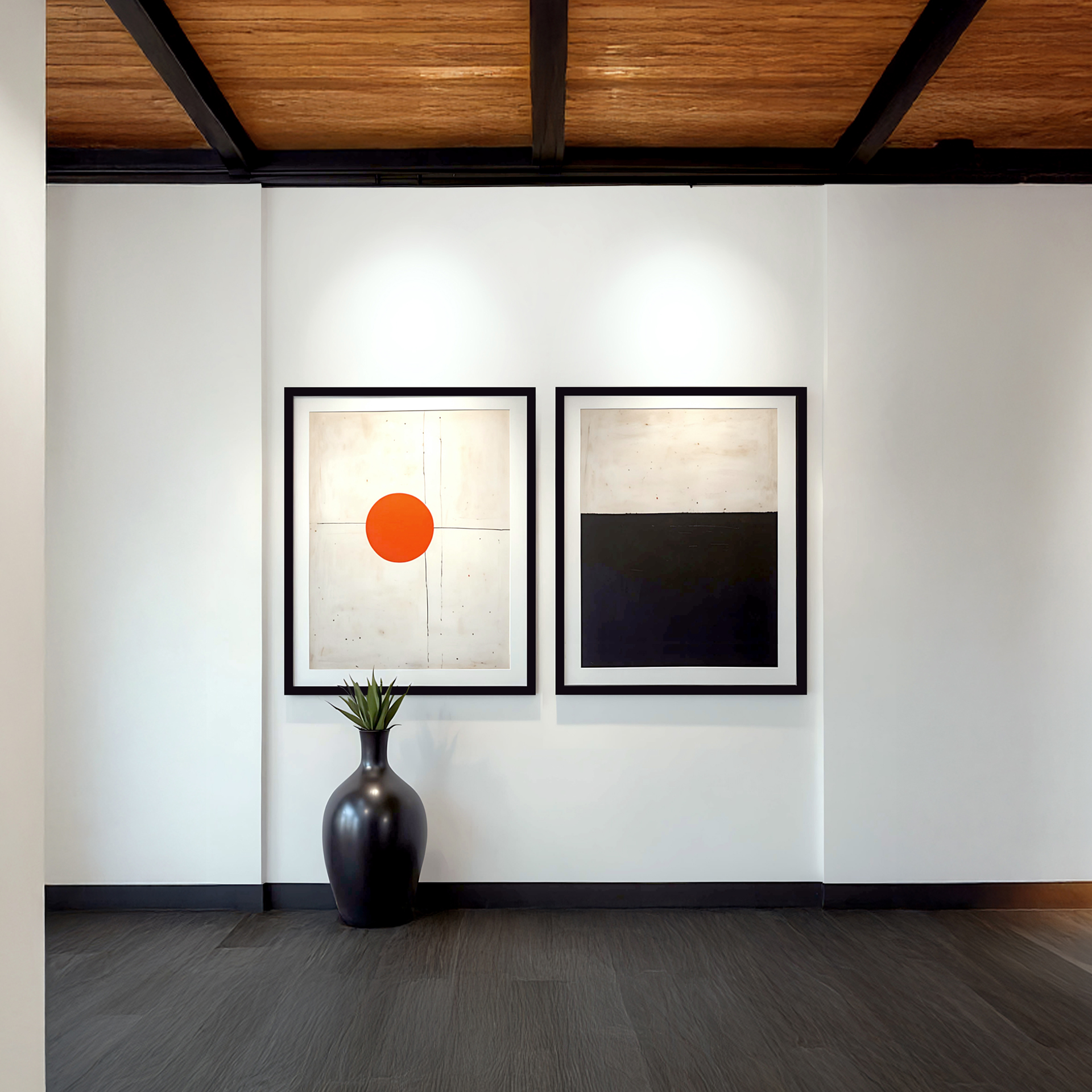

The key to differenting yourself in the market lies in finding a niche and positioning your business as a leader in quality. This is an article about Katelyn and Nathan and their unique custom framing business “Brom’s Bug Box”, which specializes in framing preserved insects.
Read More
Choosing the right display glass is crucial for museums, balancing the need to protect valuable artworks with presenting them in the best light. Artglass addresses this challenge head-on, providing anti-reflective and UV-protective glass that meets the strict demands of museum institutions.
Read More
Framing is one of the most important aspects of hanging art in your home. Proper framing requires having a good understanding of how to choose frames and what to expect from the framing process.
Read More
Custom framing glass has to protect, without obstructing the view of the artwork. Explore the history of glass in picture framing and the learn about the advancements in glass clarity and protection. Learn about how the clearest museum-grade glass so far – Artglass AR 99 Water White came to be.
Read More
A custom frame makes a great gift for any occasion. Find out how to bring joy to your parents, siblings, partners, and friends with personal, yet well-crafted presents.
Read More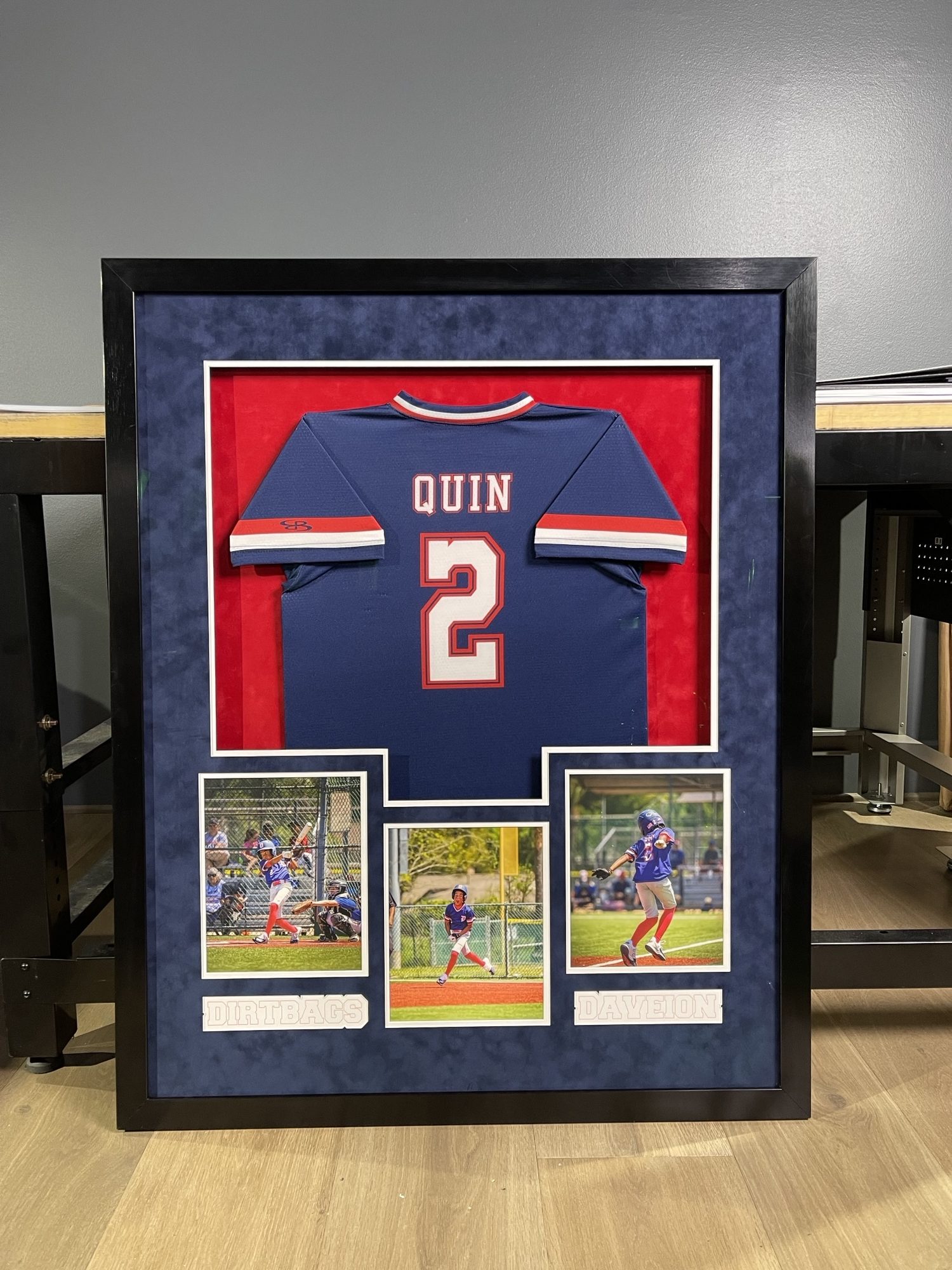
What do a former NFL player and a custom framer have in common? Read a story about Glover Quin – our friend and the owner of GQ Framing from Houston, Texas.
Read More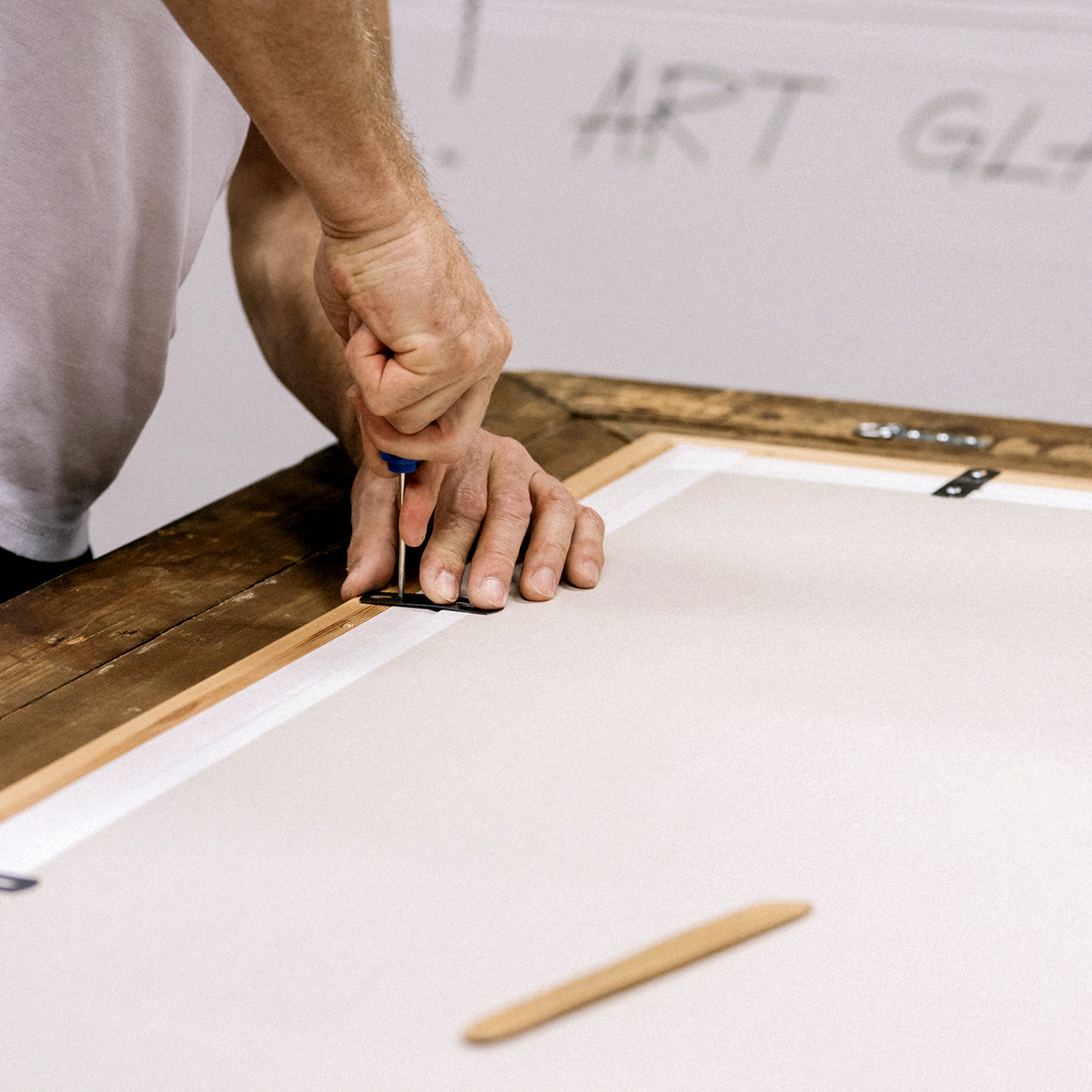
Are you looking for a custom framer? Find out what we consider important for choosing a framing professional. Find your local custom framer on our Framer Map!
Read MoreIf you want to find out more about our products, applications or just reach out - feel free contact us! Our team is ready to answer your questions.
Contact us