CLEAR GLASS. CLEAR IMPRESSION.
Read More
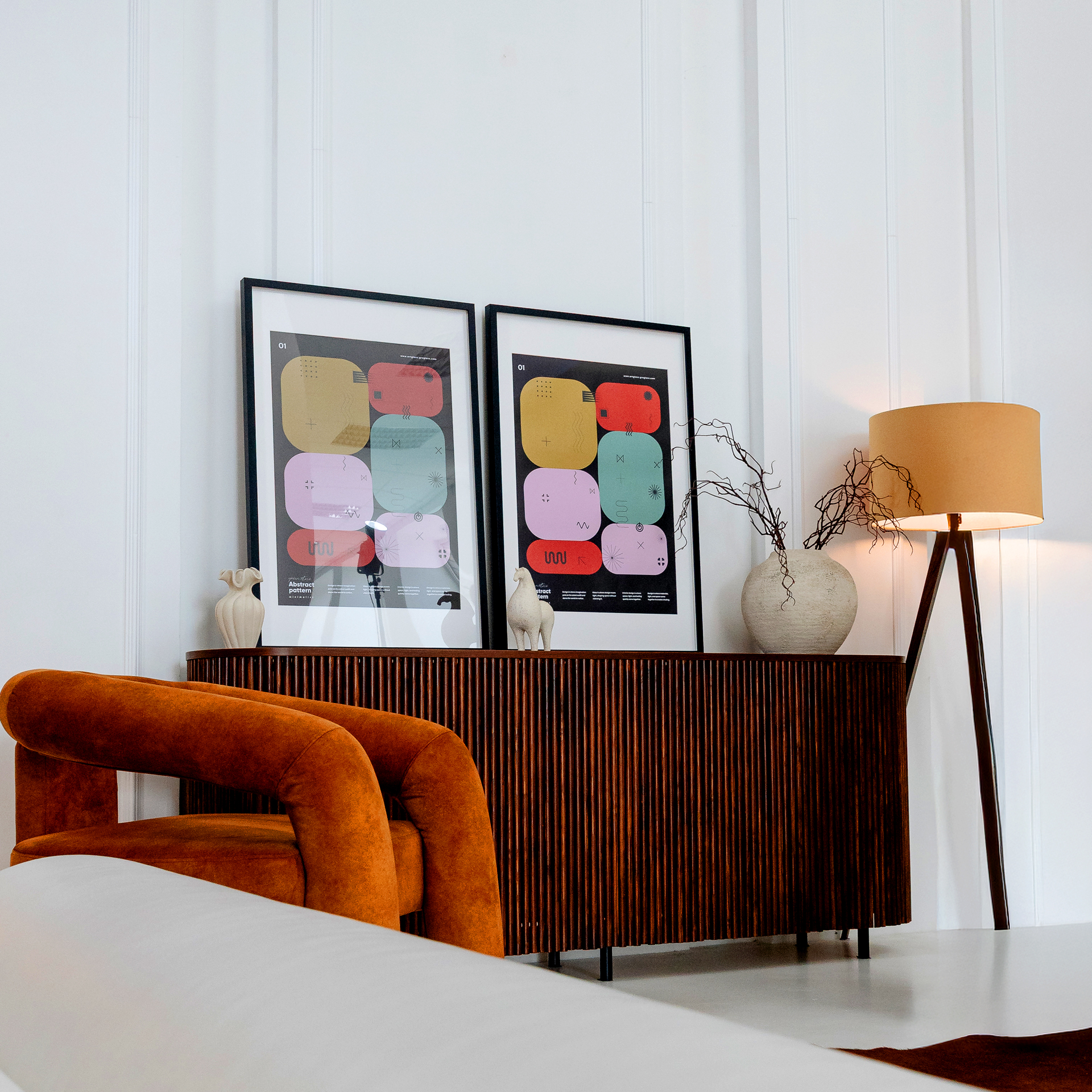
Sometimes, an interior can look finished — and still not feel quite right.
The furniture is chosen.
The wall color feels right.
The lighting works.
The artwork completes the room.
But still, something feels off.
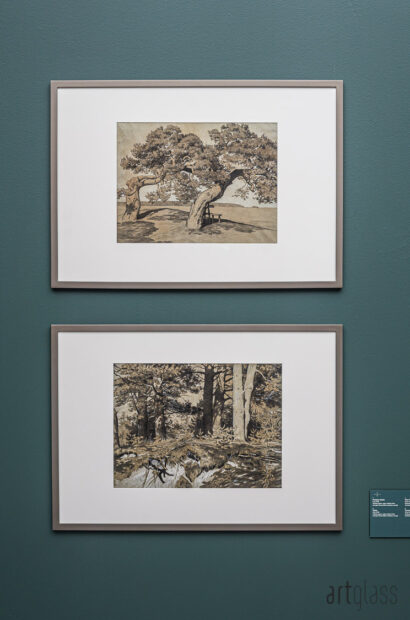
Because once the artwork is framed and placed in an interior, it becomes part of the room’s light, reflections, and movement. And between the artwork and the viewer, there is one detail that can support or disturb the whole impression — the glass.
Glass is one of those details that goes unnoticed when it works — and impossible to ignore when it does not.

A framed artwork does not live on the wall alone.
It lives with the room around it — with daylight, evening lamps, furniture, decorations, and movement in the space. That is why glass becomes part of the interior experience.
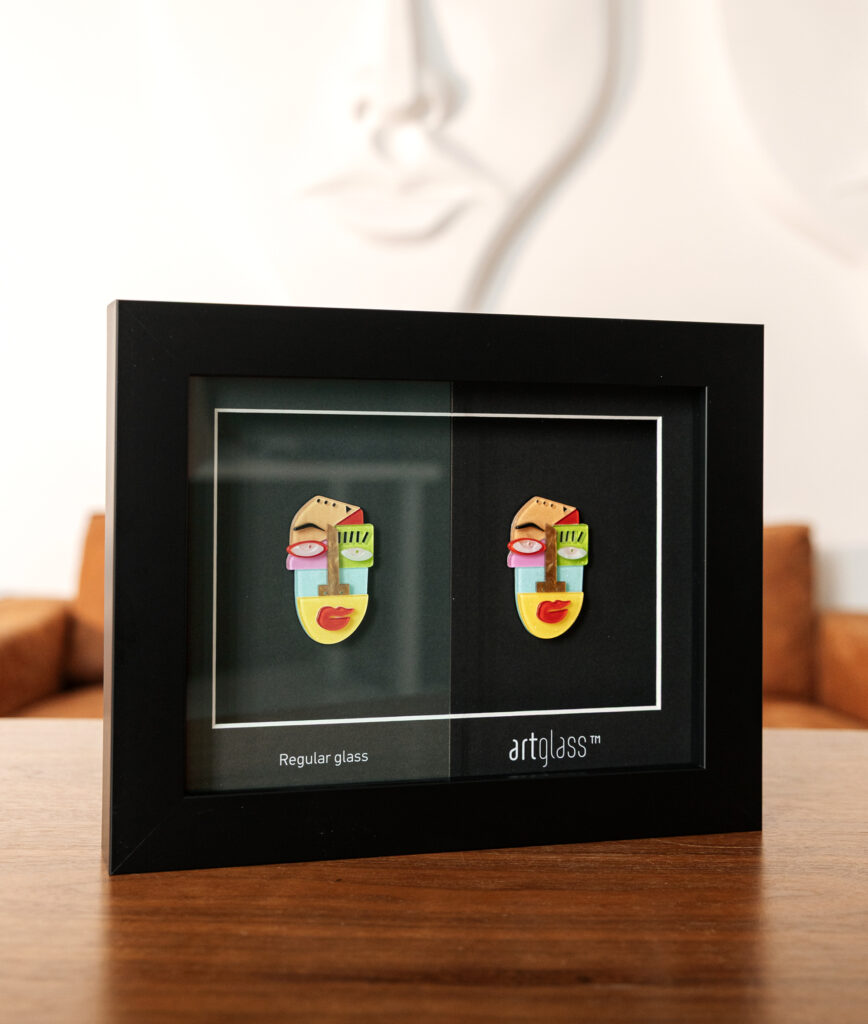
With regular glass, the room can appear on the surface of the artwork. A window, a lamp, or a bright wall may become more visible than the image itself.
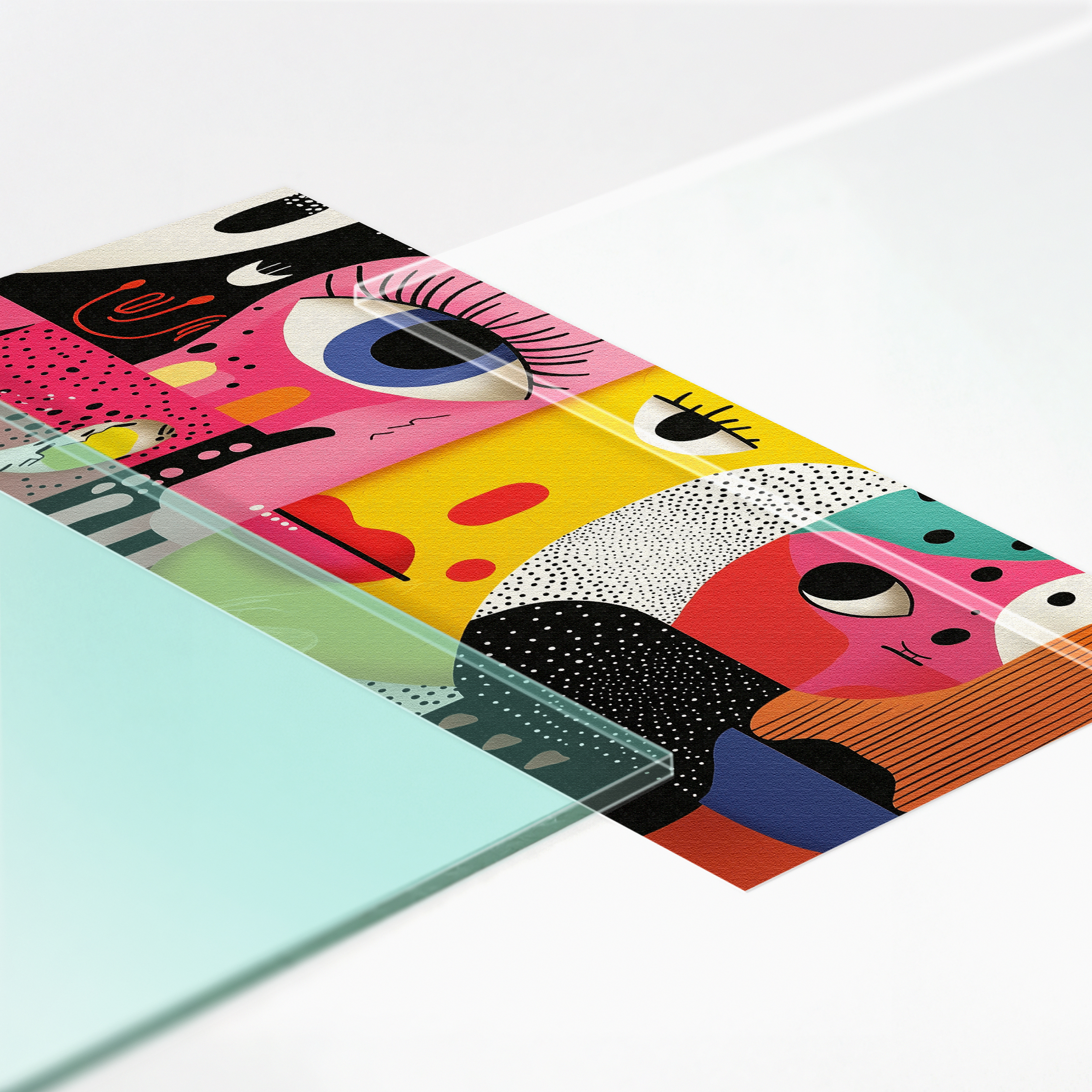
Artglass changes that experience. It reduces reflections and helps the artwork stay clear, calm, and present in the room.
The interior creates the mood.
The frame completes the style.
The glass decides how clearly the art can be seen.
See the difference in real interior light video →
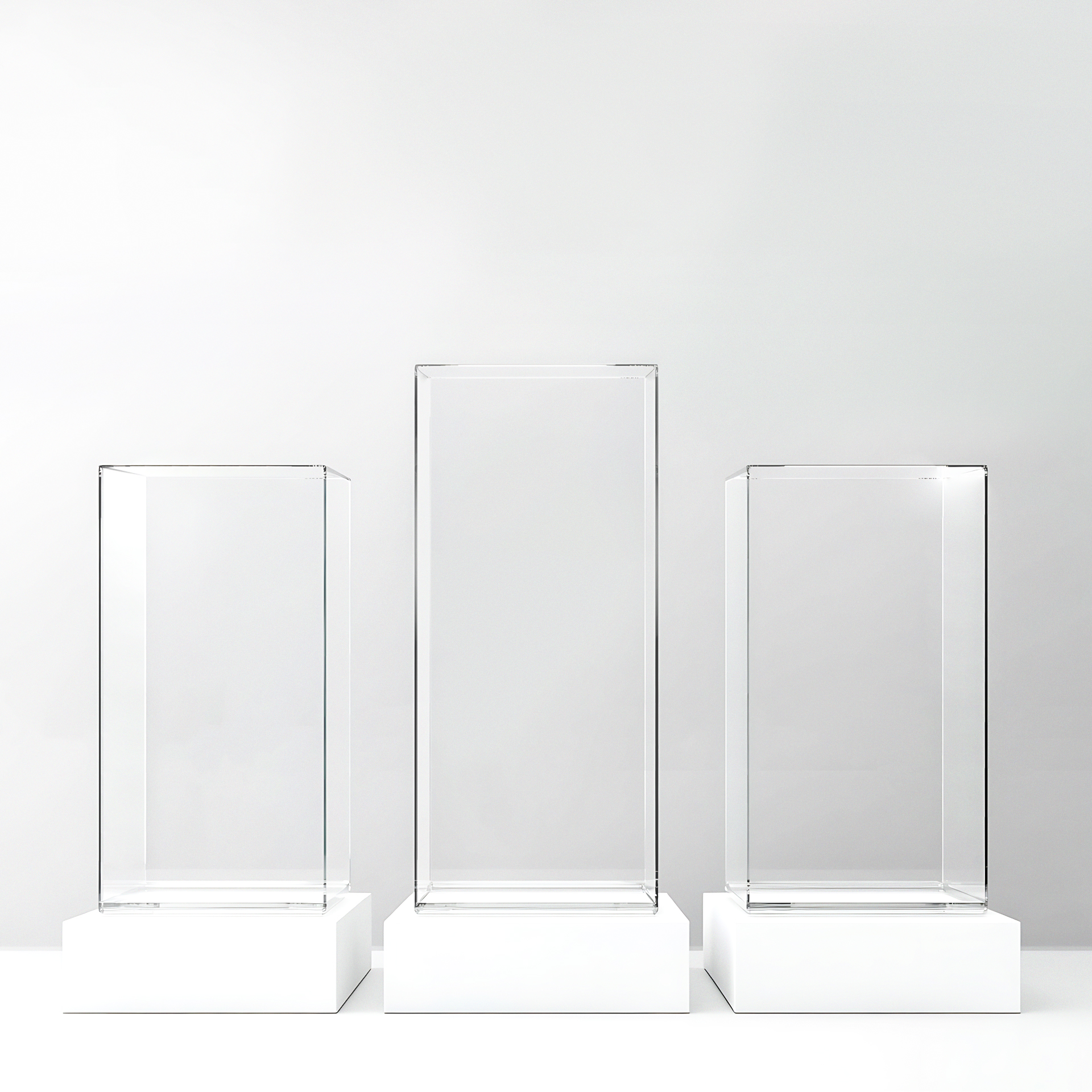
Not every artwork needs the same glazing. The right choice depends on what is being framed, where it will be displayed, and how much protection or clarity is needed.
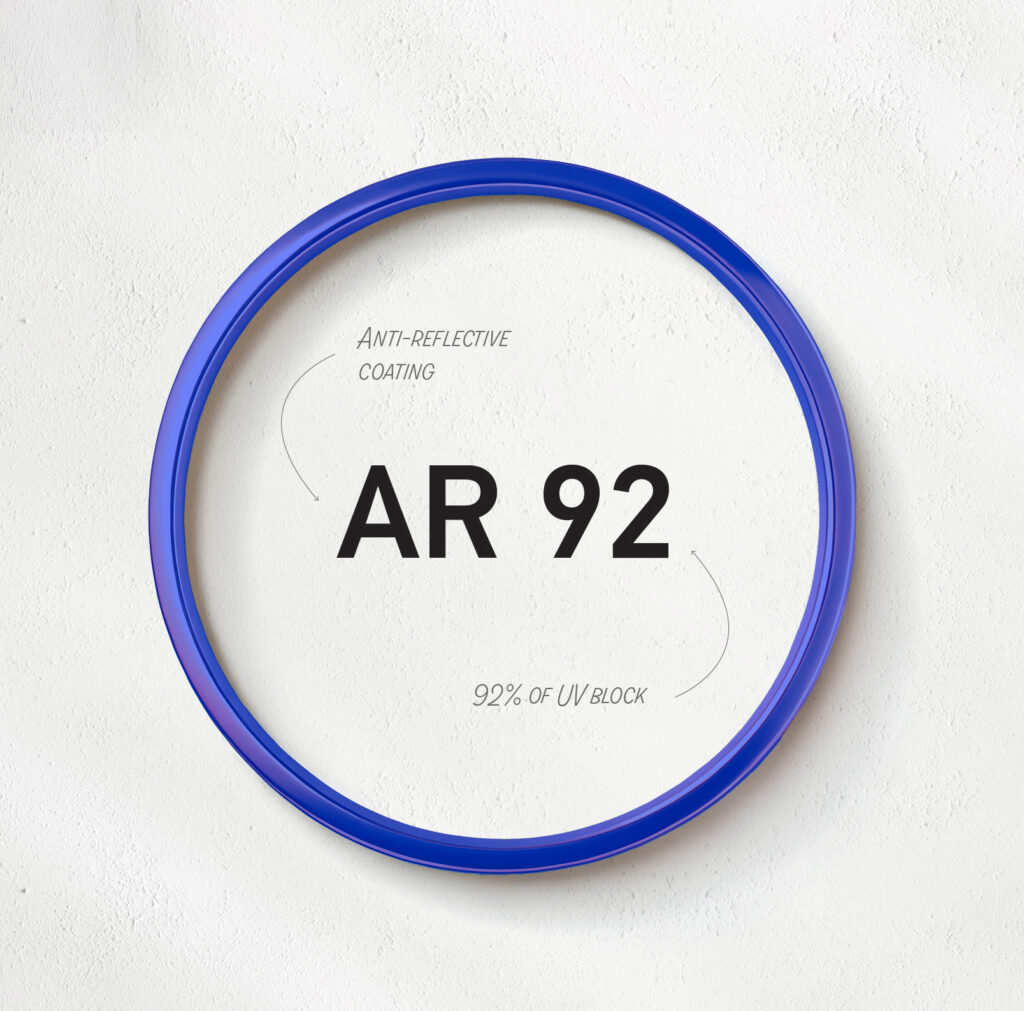
For everyday artwork, posters, and photography, Artglass AR 70 or AR 92 is a clear and reliable choice. It reduces reflections and keeps the artwork visible in everyday interiors.

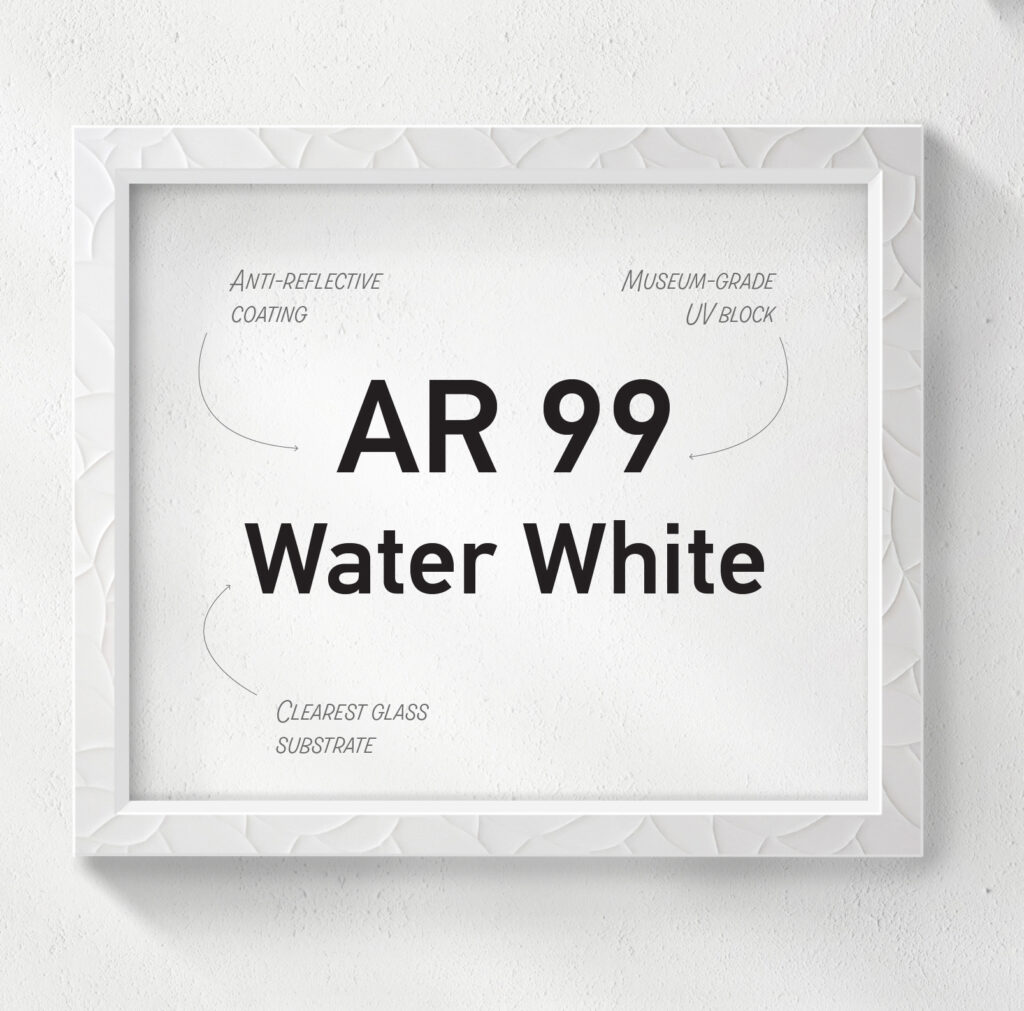
Ideal for premium artworks, limited editions, and projects requiring true color reproduction with ultra-clear, water-white glass.
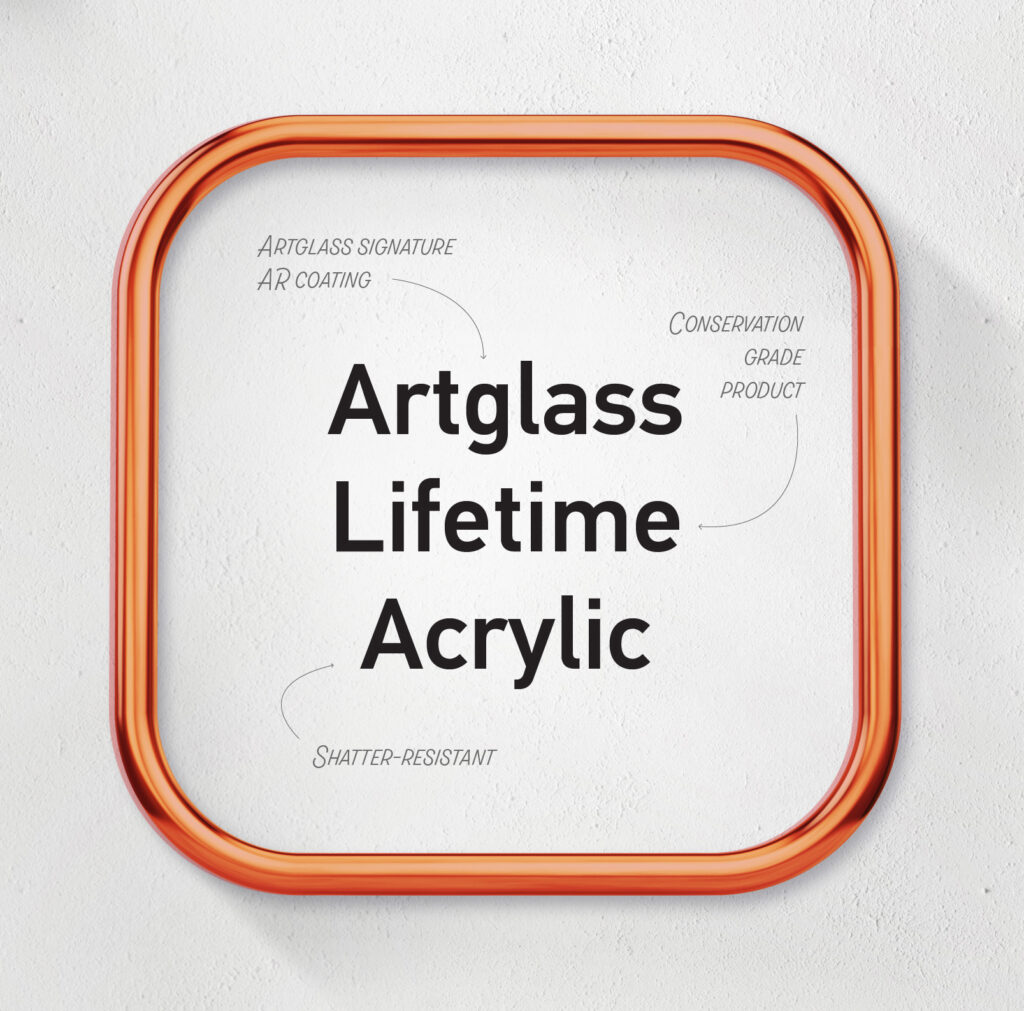
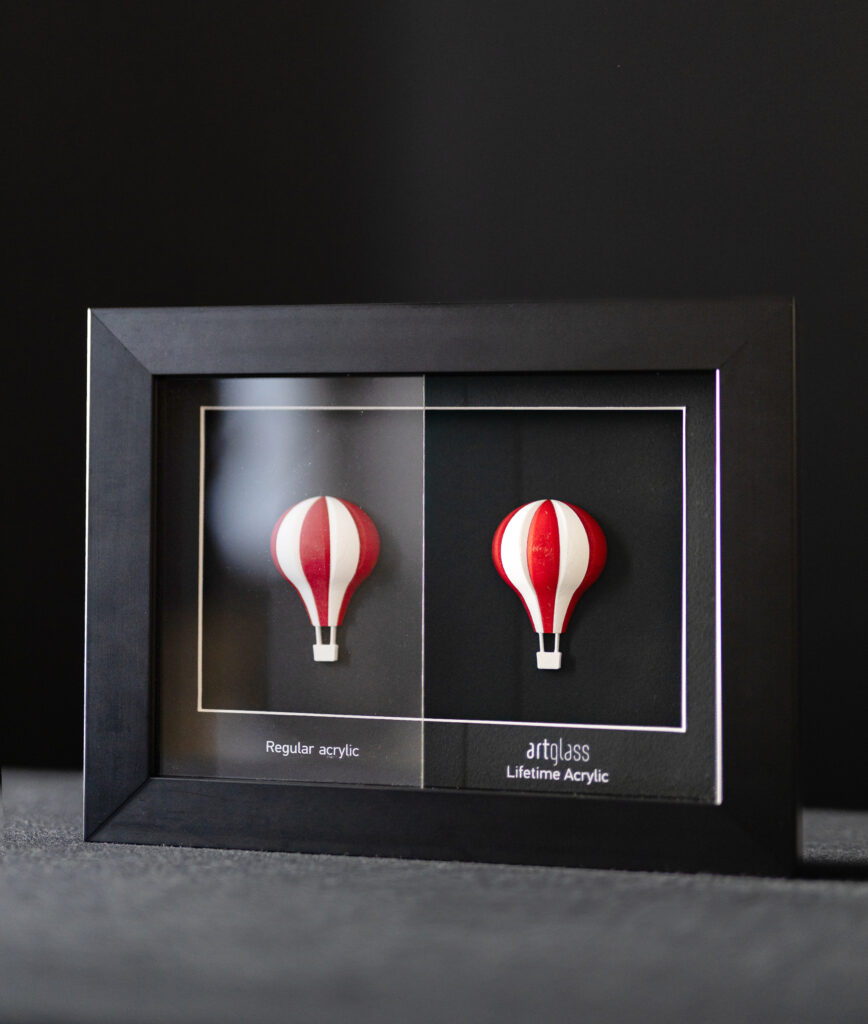
Ideal for larger artworks, public spaces, and projects requiring durability, safety, and excellent clarity with lightweight protection.
Some alternatives also offer anti-reflective glass, but they are often made on regular float glass.
And that matters!
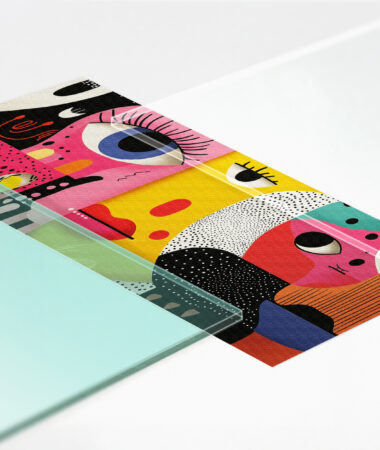
Regular float glass can add a greenish tone to the artwork. In interiors, where colors, whites, and soft details matter, this can change the final impression.
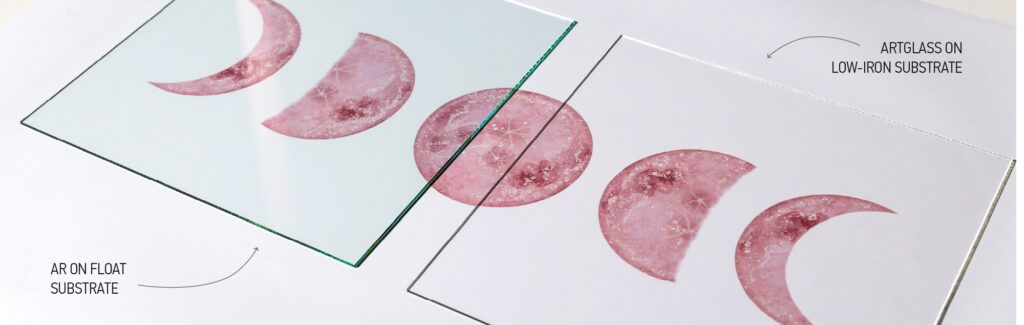
Imagine recommending anti-reflective glass to your customer as the best solution, only for them to get home and realize their artwork has an obvious green tint. A single experience like that can undermine trust, harm your reputation, and cost you a returning customer…
Think twice before offering float anti-reflective glass…
And that is why all Artglass anti-reflective products are made on a low-iron (water white) glass base. It helps keep colors cleaner, whites brighter, and the artwork closer to how it was meant to be seen.


A frame shop is also an interior.
It has lighting, displays, windows, walls, shelves, and movement throughout the day. The way glass looks in that environment helps customers imagine how their framed artwork will look at home.
For framers, showing the difference is often more powerful than explaining it.
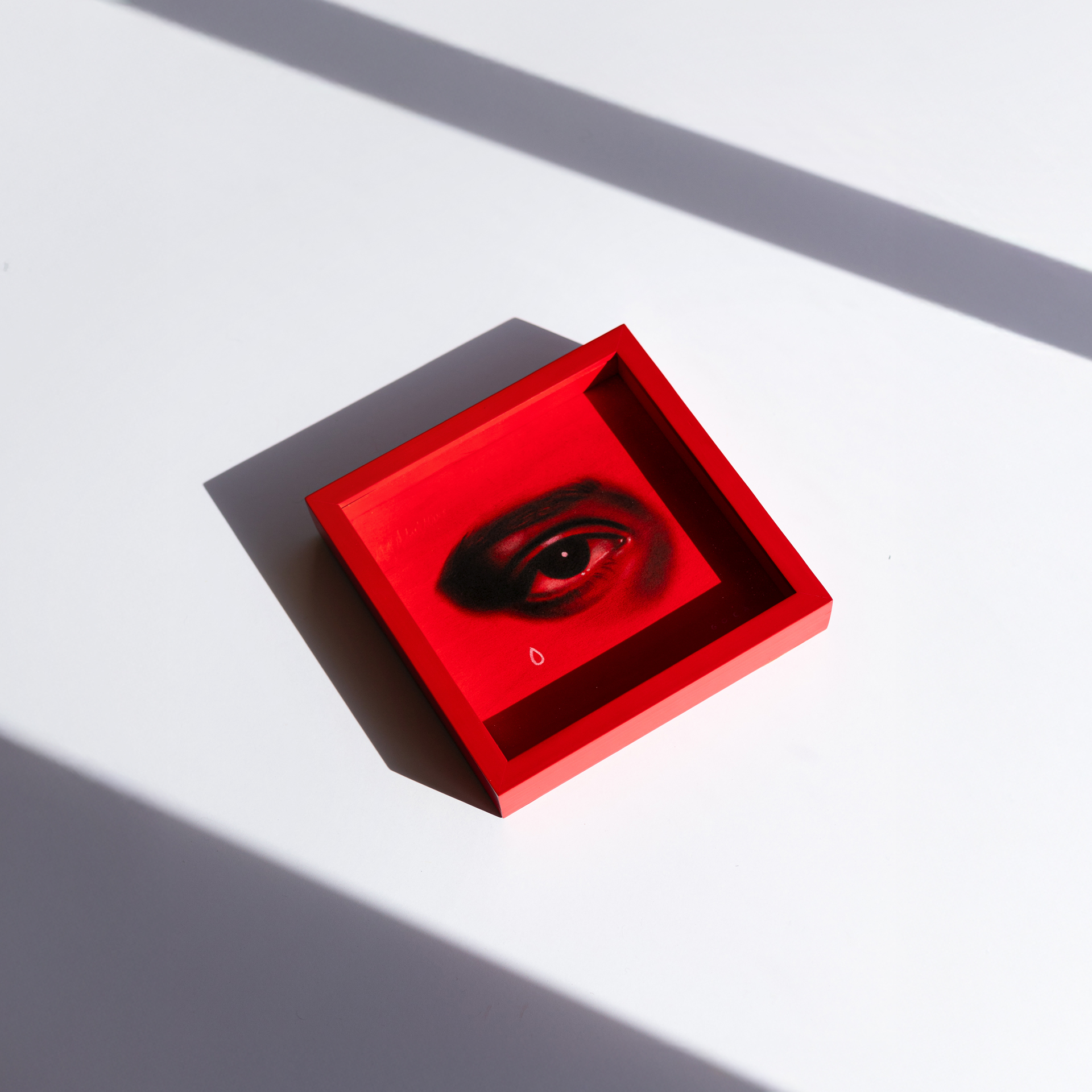
A simple side-by-side shadowbox with regular glass and Artglass can make the choice clear in seconds. Customers can immediately see how reflections affect the artwork and how anti-reflective glass improves the viewing experience.
Need shadowboxes, specifiers, or other marketing materials for your frame shop?

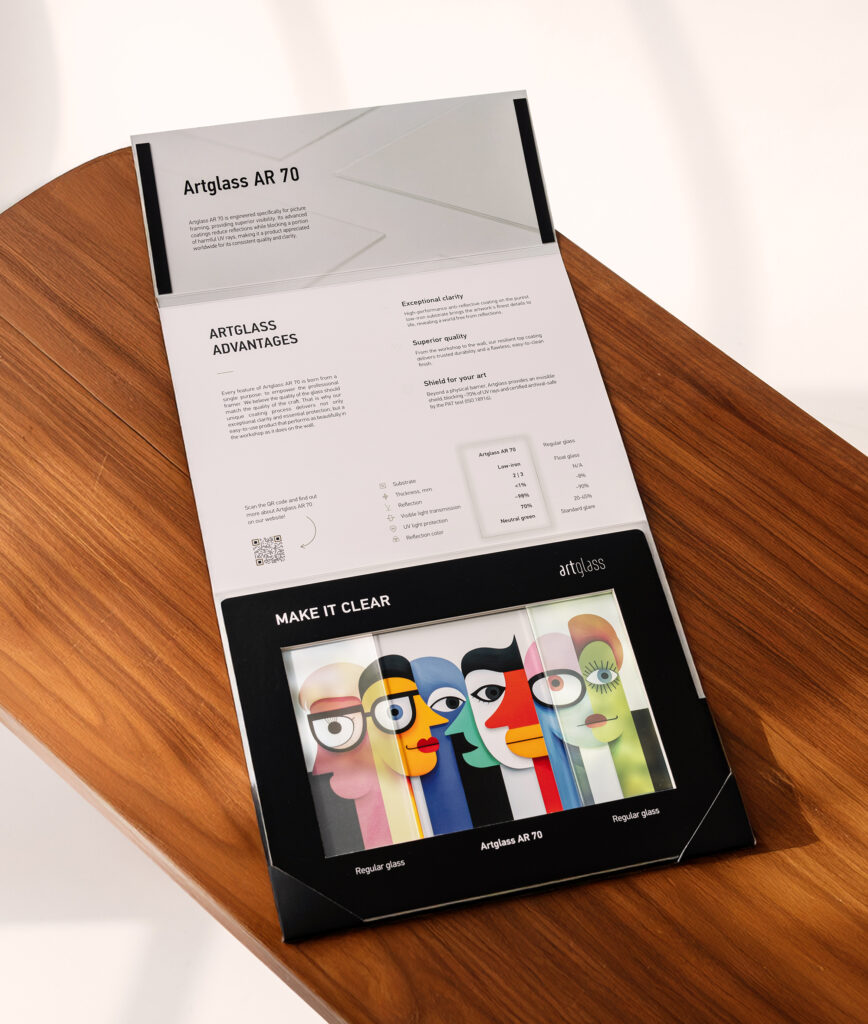
Contact your local supplier or write to us at sales@groglass.com — we will help you show the Artglass difference clearly.
There’s more than meets the eye - a hidden world of reflections, unseen threats, and choices that shape how we experience art and how long it lasts. Are you ready to uncover the truth? Keep reading – because once you do, you’ll never look at art the same way again.
Read More
The key to differenting yourself in the market lies in finding a niche and positioning your business as a leader in quality. This is an article about Katelyn and Nathan and their unique custom framing business “Brom’s Bug Box”, which specializes in framing preserved insects.
Read More
Choosing the right display glass is crucial for museums, balancing the need to protect valuable artworks with presenting them in the best light. Artglass addresses this challenge head-on, providing anti-reflective and UV-protective glass that meets the strict demands of museum institutions.
Read More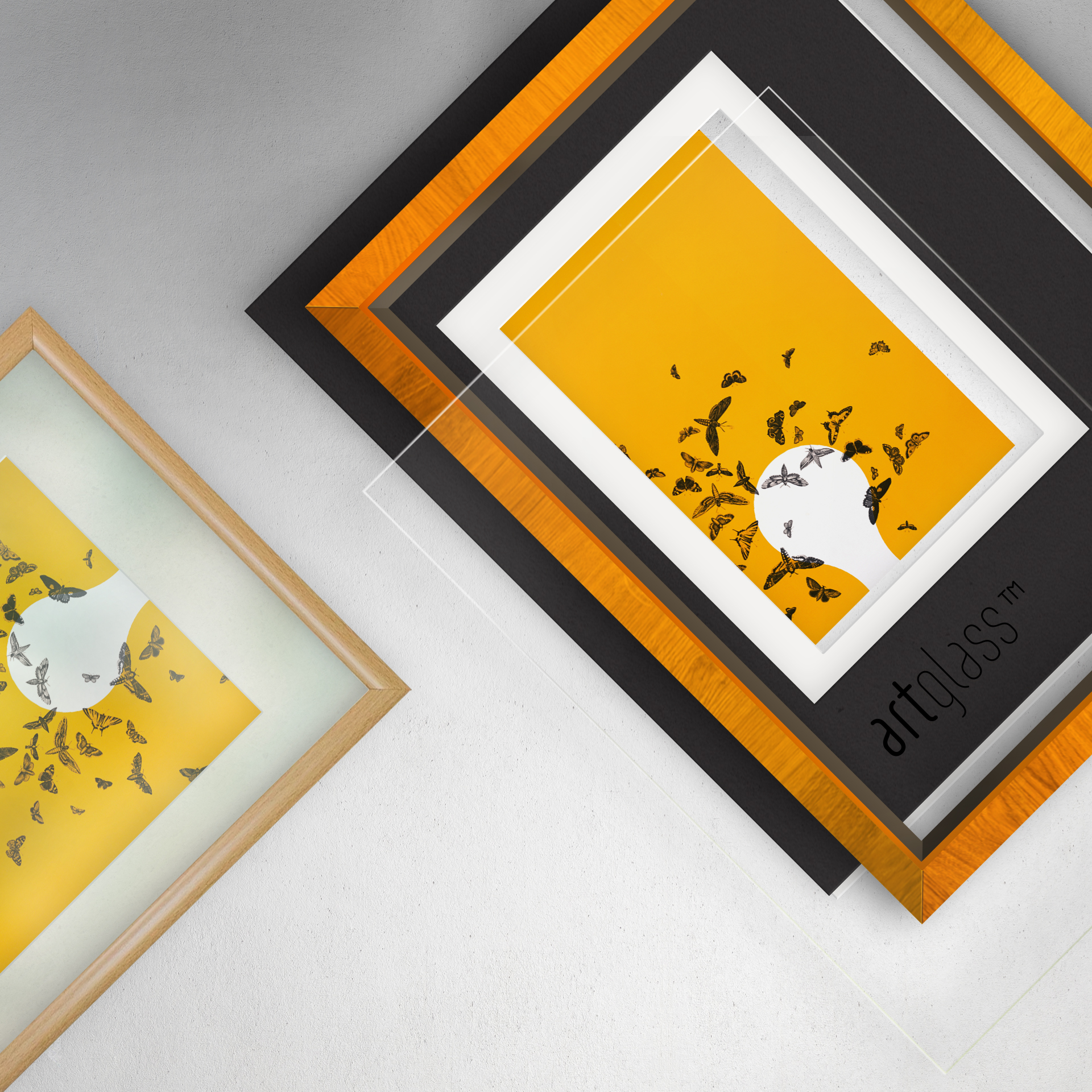
Framing is one of the most important aspects of hanging art in your home. Proper framing requires having a good understanding of how to choose frames and what to expect from the framing process.
Read More
Custom framing glass has to protect, without obstructing the view of the artwork. Explore the history of glass in picture framing and the learn about the advancements in glass clarity and protection. Learn about how the clearest museum-grade glass so far – Artglass AR 99 Water White came to be.
Read More
The Artglass guide to choosing the best glass or acrylic for your custom framing job. Learn the many features of glass and the questions that you need to ask yourself before choosing the glazing for your frame.
Read More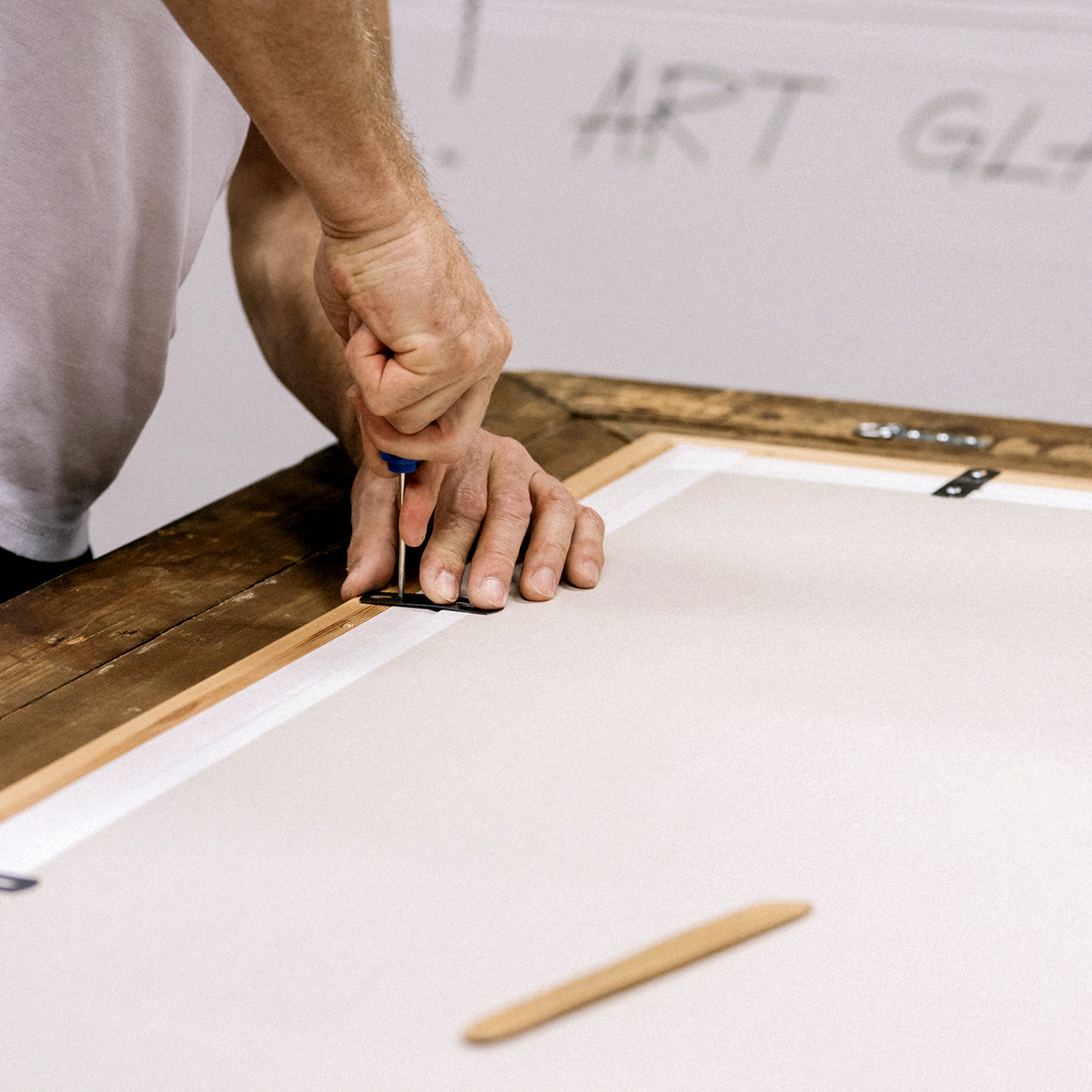
Are you looking for a custom framer? Find out what we consider important for choosing a framing professional. Find your local custom framer on our Framer Map!
Read More
Learn about UV-filtering glass and your choices for protecting your cherished framed artworks.
Read MoreIf you want to find out more about our products, applications or just reach out - feel free contact us! Our team is ready to answer your questions.
Contact us